
No products in the cart.

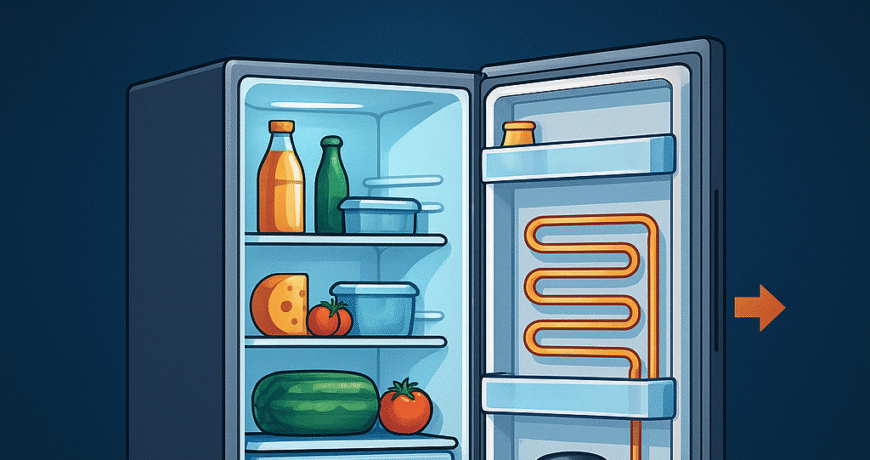
How Refrigerator Works and What Keeps Your Food Cold
A refrigerator works by removing heat from the inside and releasing it into the surrounding room. The entire refrigerator cooling system repeats all day to keep food at a steady temperature. Understanding how the system runs helps you manage cooling, maintain food safety, lower energy use and avoid common issues.
Although the appliance looks simple, several parts work together in a loop. Each part plays a role, and even daily habits influence how well your refrigerator performs. This guide explains how refrigerator works in a clear, structured and practical way.
What Starts the Cooling Cycle in a Refrigerator?
The cooling cycle starts when the refrigerator compressor turns on.
The compressor sits at the bottom of the fridge and squeezes the refrigerant gas. When the gas is compressed, its temperature rises. The warm refrigerant then moves to the next stage of the fridge cooling process.
This step affects how quickly the fridge reaches the set temperature. A strong compressor works in short and steady intervals. A weak compressor needs longer cycles and may struggle during hot weather. Modern inverter refrigerators adjust their speed based on cooling demand, which gives stable temperature control and saves energy.
How Does a Refrigerator Release Heat?
A refrigerator releases heat through condenser coils.
Once the refrigerant becomes hot, it travels into these coils located behind or under the fridge. As air moves across the coils, the refrigerant cools and changes into a liquid. This transfer of heat is what keeps the cooling cycle balanced and supports energy efficient refrigerator performance.
The condenser works best when the coils stay clean. Dust buildup traps heat around the pipes. This increases temperature inside the fridge, makes the compressor run longer and raises electricity use. A simple refrigerator maintenance routine, such as coil cleaning once or twice a year, restores performance and keeps the cooling cycle efficient.
What Happens When the Refrigerant Pressure Drops?
The refrigerant temperature drops sharply when it passes through the expansion valve.
The expansion valve or capillary tube is a tiny opening between the condenser and evaporator. As the liquid refrigerant moves through this narrow point, its pressure drops quickly. This pressure drop makes the refrigerant extremely cold and ready for strong refrigerator cooling.
This step is the turning point in the cooling cycle. If the valve is blocked or worn out, the fridge may stay warm even if the compressor is working. A clean and smooth flow through this valve allows the evaporator to produce strong cooling.
How Do Evaporator Coils Create Cold Air?
Evaporator coils cool the inside by absorbing heat from the compartment.
Cold refrigerant enters the evaporator coils, which sit inside the fridge and freezer. When air passes over these coils, the coils absorb heat and the air becomes cold. A fan then spreads this cool air across the shelves, creating consistent evaporator coil cooling.
For the evaporator to work well, it needs:
- clear airflow
- clean vents
- a working fan
- no frost clogging the coil
Any blockage reduces cooling strength. Ice buildup on the evaporator slows heat transfer. A stuck fan leads to warm zones in the fridge. Closed vents reduce refrigerator airflow between the freezer and refrigerator sections.
How Does the Cooling Cycle Repeat?
The cooling cycle repeats when the refrigerant returns to the compressor.
After the evaporator absorbs heat from food and air inside the fridge, the refrigerant becomes gas again. This gas travels back to the compressor, and the entire loop starts again.
Sensors or thermostats control when the compressor turns on or off. When the inside temperature rises, the compressor restarts. When the temperature reaches the set level, the compressor pauses.
This cycle runs all day, adjusting based on how often the door opens, how warm the room is and how much food is stored inside.
Why Does Food Stay Cold Even When the Door Opens?
Food stays cold because cold air settles and remains inside for a short time even after warm air enters.
Refrigerators keep cold air layered inside the compartments. When the door opens, warm air enters from the front, but the heavy cold air sits deeper inside. This gives the fridge time to recover and maintain best refrigerator cooling.
The way items are arranged also affects cooling:
- If shelves are packed tightly, air cannot move.
- If the fridge is nearly empty, cool air escapes faster.
- If the back wall is blocked, air channels inside the appliance become restricted.
A balanced arrangement helps maintain stable temperature throughout the compartments.
How Do Temperature Settings Affect Cooling?
Temperature settings control how fast the refrigerator stabilises and how safely food stays preserved.
Most fridge sections work best between 3 and 5 degrees Celsius. The freezer stays stable near minus 18 degrees. These temperatures slow bacteria growth, maintain texture and keep the cooling cycle steady.
Setting the temperature too low may freeze items that should stay chilled, like fruits and drinks. Setting it too high can spoil food faster. Once you choose the correct temperature, it is better to keep it steady instead of adjusting it often. Good fridge temperature control supports both performance and energy savings.
Why Do Modern Refrigerators Use Defrost Cycles?
Modern refrigerators use defrost cycles to prevent frost from forming on evaporator coils.
Frost-Free models have a small heater that melts ice on the evaporator at set intervals. The melted water drains into a tray and evaporates. These short defrost cycles allow the coils to stay clear so they can absorb heat properly.
Manual defrost refrigerators need the user to melt frost regularly. Thick frost reduces cooling strength because ice slows heat absorption. This increases compressor workload and raises energy use.
A clear evaporator coil supports stable cooling, smooth airflow and a healthier defrost system.
How Can You Improve Refrigerator Cooling at Home?
Simple habits can make your refrigerator run better.
Allow proper airflow around the fridge
Leave some space at the sides and back so warm air can escape from the condenser.
Keep the fridge moderately filled
A balanced load helps maintain temperature. Overpacking blocks vents. An empty fridge loses cold air quickly.
Let food cool before storing
Hot food increases internal temperature and extends compressor run time.
Keep door seals clean
A tight seal prevents air leaks and protects the cooling cycle.
Avoid blocking internal vents
Cold air travels through these vents. When blocked, the fridge forms hot and cold spots.
Check the freezer arrangement
Air from the freezer often moves down to the fridge section. If the freezer is packed tightly, airflow weakens.
These habits maintain strong cooling with less energy use and support long-term refrigerator performance.
Why Are Inverter Refrigerators Quieter and More Efficient?
Inverter refrigerators control cooling by adjusting compressor speed.
Instead of turning on and off sharply, inverter compressors run at smooth and steady speeds based on how warm the inside is. This creates:
- fewer temperature swings
- lower energy use
- quieter operation
- better food quality
Many users think inverter refrigerators cool slower. They cool steadily and keep the temperature balanced without sudden changes. This makes a modern inverter refrigerator a good choice for stable cooling.
Conclusion
A refrigerator stays cold by repeating a simple loop that removes heat from the inside and moves it out through the coils. When the parts stay clean, the airflow stays clear and the temperature is set well, the appliance runs steadily and keeps food fresh. A few good habits at home support this cycle and help the fridge stay efficient all year.
If you want a refrigerator that cools strongly, uses less energy and lasts longer, explore the options at PakRef. The collection includes trusted brands and reliable models that fit different homes and budgets. A quick visit can help you find a fridge that makes everyday storage easier and more dependable.
FAQs
1. Why does my refrigerator take long to cool after installation?
A refrigerator takes long to cool because the compressor and refrigerant need time to stabilise.
Most new refrigerators need 6–12 hours to reach normal temperature.
Keeping the door closed, allowing airflow around the back, and avoiding food loading too early helps the fridge cool faster.
2. Why does my fridge run continuously without stopping?
A fridge runs continuously when it cannot reach the set temperature.
Common causes include warm room temperature, dirty condenser coils, blocked internal vents, damaged door seals, or overpacked shelves.
Fixing airflow problems usually restores normal compressor cycling.
3. Why does the back wall of my fridge get wet or icy?
The back wall becomes wet or icy because warm, humid air turns into droplets or frost on the evaporator surface.
Frequent door opening, leaking door seals, or placing hot food inside increases moisture levels.
Keeping items away from the back wall helps keep the airflow smooth.
4. Why does my refrigerator make clicking or ticking sounds?
Clicking happens when the compressor, thermostat, or relay switches on and off.
It also occurs during the defrost cycle when the heater activates.
Light clicking is normal, but rapid repeated clicking may indicate compressor or start-relay issues.
